
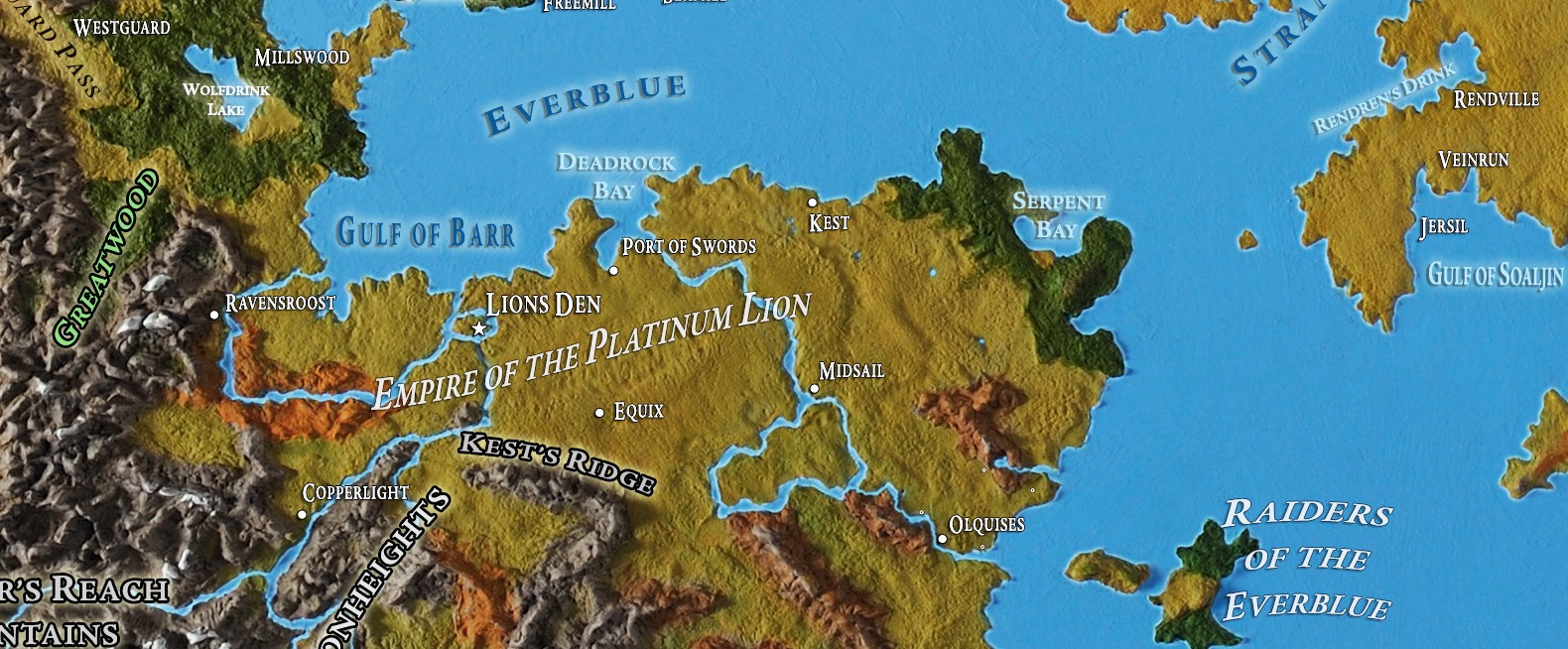
Fantasy invites expansion because a successful story suggests lives, places, and systems beyond the visible plot. The invitation is powerful, but expansion is not automatically valuable. A story-adjacent project earns its place by changing the reader’s relationship to the work.
The best map is not just an inventory of names. It clarifies distance, exposes a political border, or gives a journey physical weight. The best guide does not summarize chapters; it offers the texture of an object that might exist inside the world. Audio can reveal cadence and atmosphere. Play can make a system of risk or power tangible in a way description cannot.
That standard protects both the novel and the reader. It prevents a publication from being fragmented across required extras, and it keeps every extension accountable to a clear creative purpose. A reader should be able to close the novel satisfied. Everything beyond it should be an invitation, never an obligation.
Trexlin provides an unusually broad case study because so much of its history and material already exists. Future 13 Scions books may invite different forms—or none at all. The press follows the needs of each story rather than imposing one franchise model on every author.